Menopause, Cancer & Me

Treatments & therapies

There are a range of treatments and therapies that might help reduce the effects of menopausal symptoms and improve quality of life.

On this page, we look at...

1
Complementary & alternative therapies
2
Caring for the vagina & vulva
3
Hormone Replacement Therapy

Therapies

1. Complementary & alternative therapies

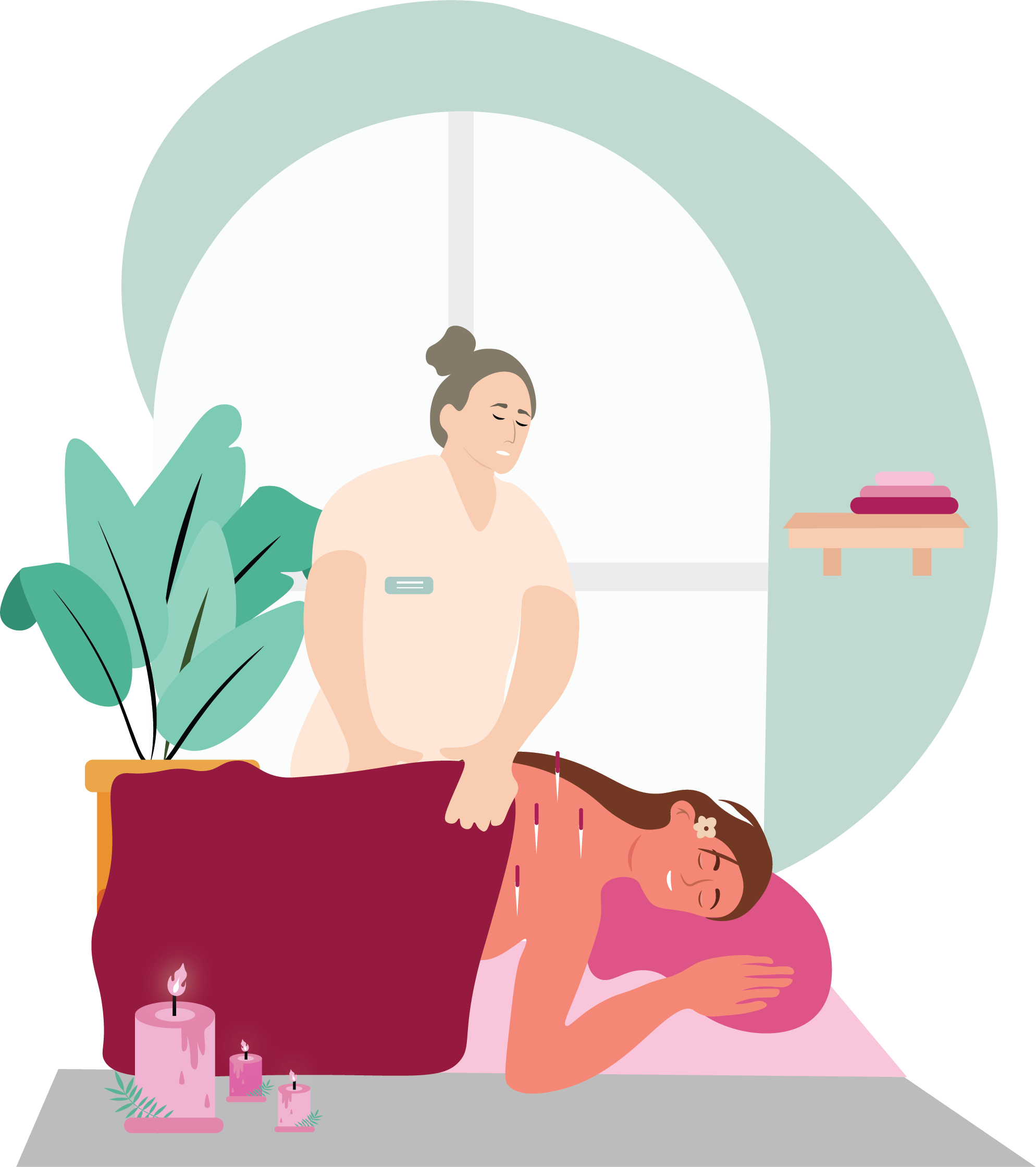
Many women use complementary and alternative therapies to help with menopausal symptoms, though limited research has been done to support their effectiveness and safety.

These can sometimes help with troublesome symptoms, but they are unlikely to have a significant impact on bone strength, the heart, or blood vessels.

Speak with your clinical team about what is available to you, such as charities or referrals to local services.

Choosing a complementary therapy can be challenging. Many exist, and not all have been tried and tested.

Click on the images below to learn more about the therapies.

Non-hormonal medications are used to help treat symptoms, particularly hot flushes and night sweats.

Would you like to read about non-hormonal therapies?

Treatments

2. Caring for the vagina & vulva

There are range of different treatment options available for people experiencing vulval, vaginal and bladder symptoms, including lubricants, moisturiser and vaginal oestrogen.

• Do not wash inside the vagina.

• Be selective what you use on this delicate skin. Don’t over-wash.

• Wash the vulva (outside) with water or use emollients, such as Epaderm, zerobase and cetraben. These can also be used as a vulval moisturiser.

• Avoid perfumed products with lots of added ingredients, as these are likely to cause irritation.

• Address any issues with leaking urine, as this may irritate the skin.

• Regularly self-examine for any changes to the skin using a small hand mirror. Get to know your ‘normal’ and report concerns to GP.

This will prevent friction and discomfort. Ingredients matter and it is important to pick one that is non-irritant. Lubricants are available as water-based, oil-based, or silicone.

Remember that water-based lubes are safest with condoms.

Top tip! Use oil and water-based lubricants together to help with glide and reduce friction.

These are non-hormonal moisturisers that can be used on the outside and inside of the vagina to moisturise the tissues and improve discomfort. Recommended products include YES VM and Hyalofemme. They can be used as frequently as you like.

This is a low-dose, localised form of hormone replacement therapy (HRT) that is used to treat menopause symptoms like vaginal dryness, irritation, and recurrent urinary tract infections. It works directly on the vaginal tissues, with minimal absorption into the bloodstream, making it different from systemic HRT and generally having a very low risk of serious side effects.

Available as creams, tablets, or rings, vaginal oestrogen can improve comfort and urinary symptoms, but it does not address systemic menopausal symptoms, such as hot flushes. A safe and effective option for most patients post-cancer, including some breast cancer patients.

If you are struggling with these symptoms despite using a vaginal moisturiser and good vulval care, please speak to your GP or cancer team for further support and advice on whether use of localised vaginal oestrogen is safe for you.


HRT

3. Hormone Replacement Therapy

Used to replace the hormones lost during menopause, HRT is the most effective and widely used treatment for menopausal symptoms. After cancer, the decision to take HRT can become more complex.

Hormone Replacement Therapy involves taking medications containing female hormones (oestrogen, progesterone and sometimes testosterone) to replace the ones the body no longer makes after menopause. It's typically used to relieve symptoms like hot flushes, mood changes, and osteoporosis risk.

There are several factors to consider when deciding whether to use HRT after cancer, including the type of cancer, if the cancer is hormone sensitive, the severity of symptoms, and risk profile.

HRT after cancer is not a one-size fits all decision. It requires collaboration between patient, cancer team, and menopause specialists.

Anyone considering HRT after cancer should have a thorough consultation with their medical team to make an informed decision that is right for them.

Would you like to learn more about HRT?