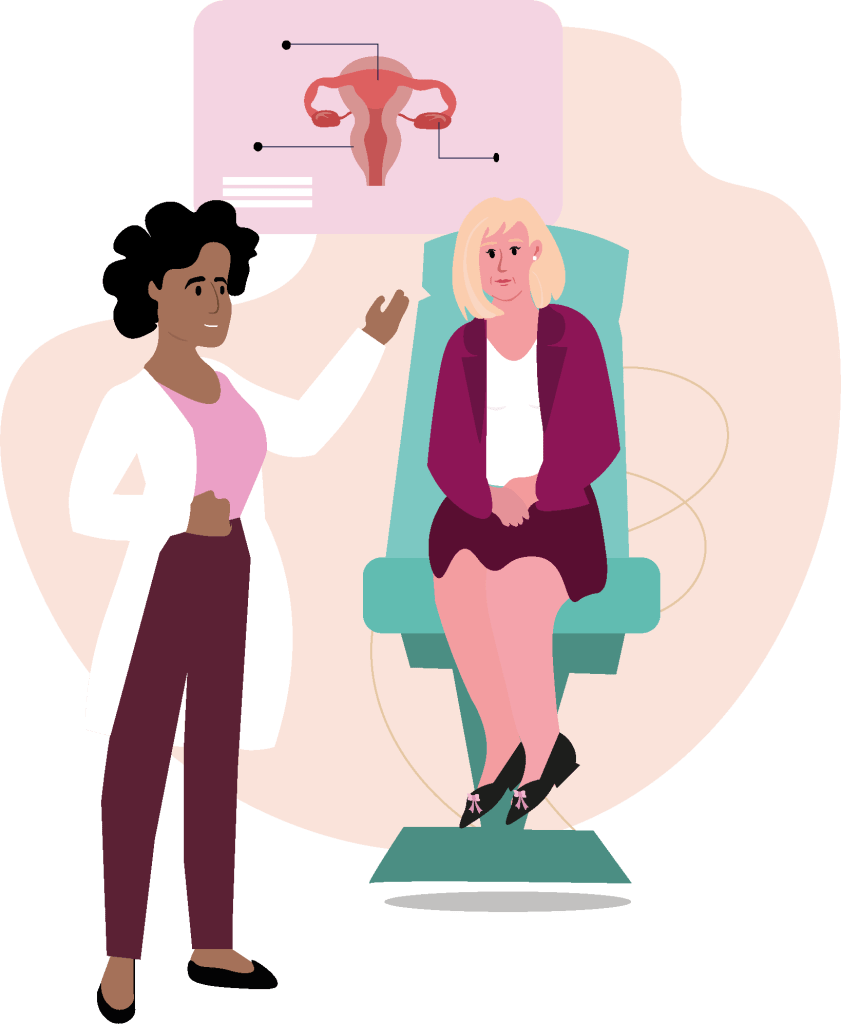
Menopause is a natural time in a woman’s life when their periods stop permanently.
This can create uncertainty for many women as their bodies and minds deal with the changes that occur.
People’s experiences with menopause vary greatly. Some women aren't affected when their menstruation ends, while others try to cope with symptoms that severely disrupt their life.
Usually, menopause occurs between the ages of 45 and 55. Some women may experience ‘early menopause’ in their 30s or younger because of treatments associated with cancer.
Different cancer treatments might, either intentionally or as a side effect, cause menopause or the return or worsening of menopausal symptoms.
A Northern Cancer Alliance survey found that 93% of cancer patients had concerns or queries about the menopause or menopausal symptoms after they received their diagnosis.
Going through menopause during or after cancer treatment can be incredibly difficult, often leading to more severe symptoms than a natural menopause.
Anyone struggling with menopausal symptoms should seek advice and support to help manage their wellbeing.
Unfortunately, much of the menopause information currently available is not specific to cancer patients. It doesn’t consider the impacts of treatments, or that some patients may not be able to take hormone replacement therapy.
Northern Cancer Alliance funded this resource to support you in your journey through menopause and cancer.
Chemotherapy can cause permanent or temporary menopause.
Hormone Suppressive Therapy
Hormone suppressive therapies can block the function of the ovaries and stop them producing hormones.
Tamoxifen/ aromatase inhibitors
Additional treatments for certain cancers affect levels of oestrogen in the body, which may cause or worsen menopausal symptoms.
Hormone Replacement Therapy
Women with a hormone sensitive cancer may be asked to stop their Hormone Replacement Therapy (HRT), which can sometimes worsen their menopausal symptoms.
Radiotherapy
Radiotherapy can cause menopause by damaging the ovaries, even when they are not the intended target of the therapy.
Surgery
When menopause is brought on by surgery, it can cause very sudden and severe menopausal symptoms, which can have huge impacts on a patient's quality of life.
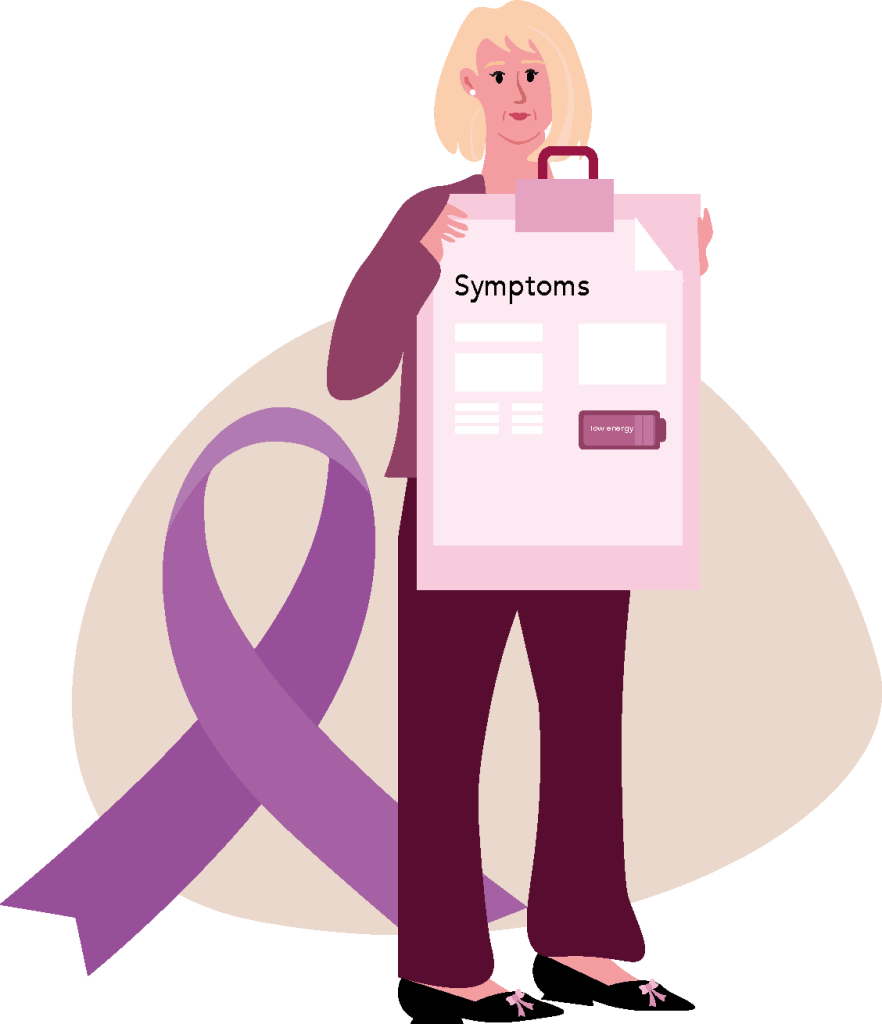
Symptoms
On their own, menopause and cancer are life-changing events, but especially so when they happen at the same time.
As symptoms can be more severe after cancer than with natural menopause, we must do what we can to manage them.
Lifestyle choices and the environment can affect how you experience menopause, and yet it can be hard to maintain positive habits when going through cancer treatment.
Building healthy habits around nutrition, physical activity and mental wellbeing can help alleviate the symptoms of menopause and improve quality of life.
Nutrition
Physical activity
Mental wellbeing
Treatments & therapies
Various treatments and therapies are available to help people affected by menopause and cancer, though their effectiveness will depend on the cause of menopause. For example, HRT is widely used to treat menopause, but can cause some issues with certain cancers.