Physical activity

Physical activity

Although exercising may be the last thing a fatigued person wants to do, it is one of the best ways to reduce fatigue before, during and after cancer treatment.


Jump to content or click below to visit subpages on fatigue management topics.

Physical activity

Watch our video with Dr Sam Orange, Senior Lecturer at Newcastle University.

Moving away from fatigue


The evidence shows that physical activity and exercise are two of the best ways to reduce the impact of cancer-related fatigue on daily living.

Physical activity
This includes all movement, including being active at work, housework, gardening and during transport.
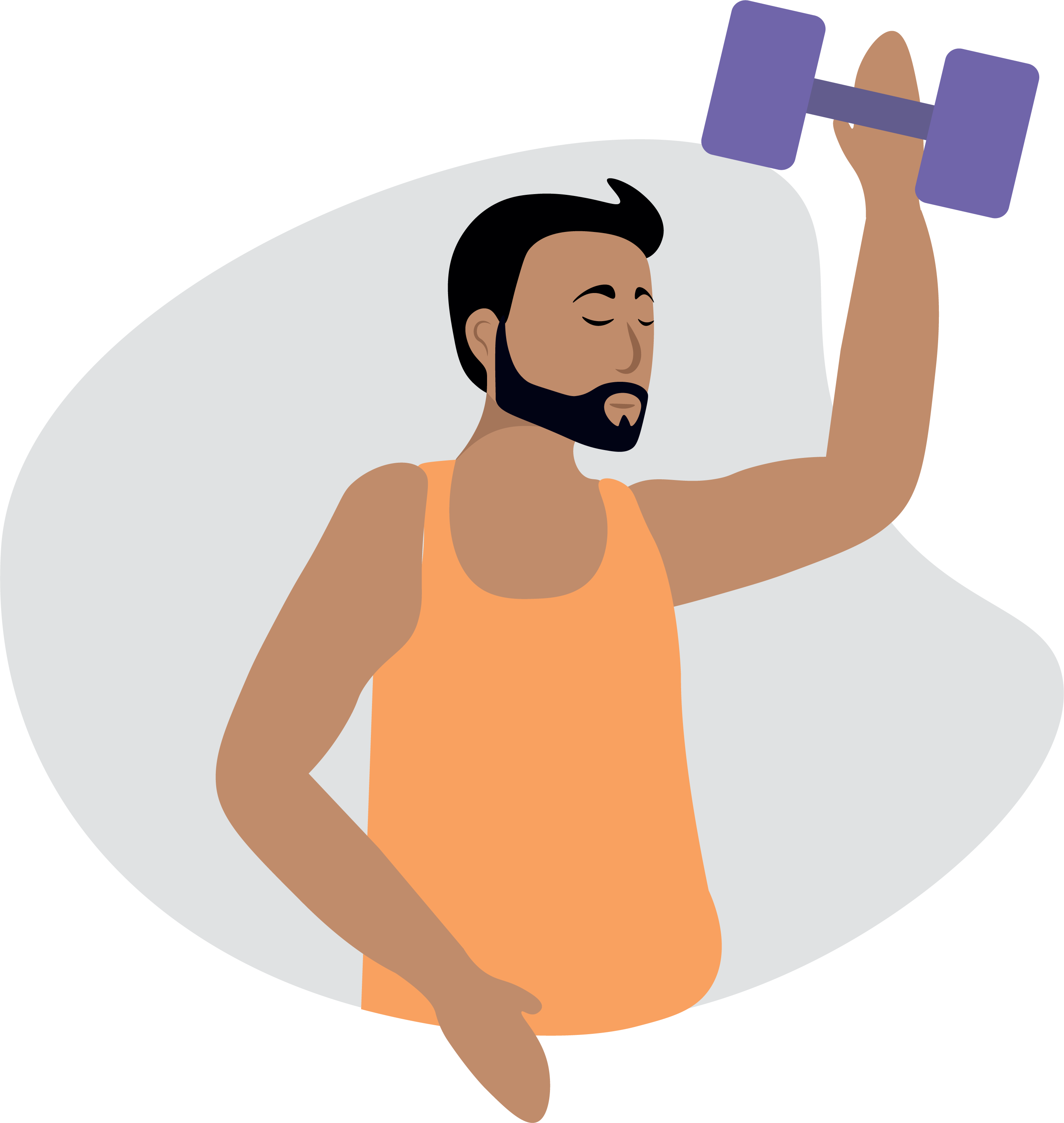
Exercise
This refers to movement we do during our free time, such as walking, swimming or structured exercise classes.

Moving is one of the best things we can do for our wellbeing. All physical activity counts, no matter how much. More activity will generally bring additional benefits.

Benefits of physical activity


Research shows there are significant benefits for increasing physical activity levels after a cancer diagnosis.


Improve mood

Boost energy levels

Lower stress/anxiety

Increase strength

Promote better sleep

“Use your energy on days you feel good. Rest when you feel tired.”

27

Physical activity top tips

There is no best way to be active – find an approach that works for you.

Focus on activities you enjoy and can stick to long-term.

Powered By EmbedPress

Guidance

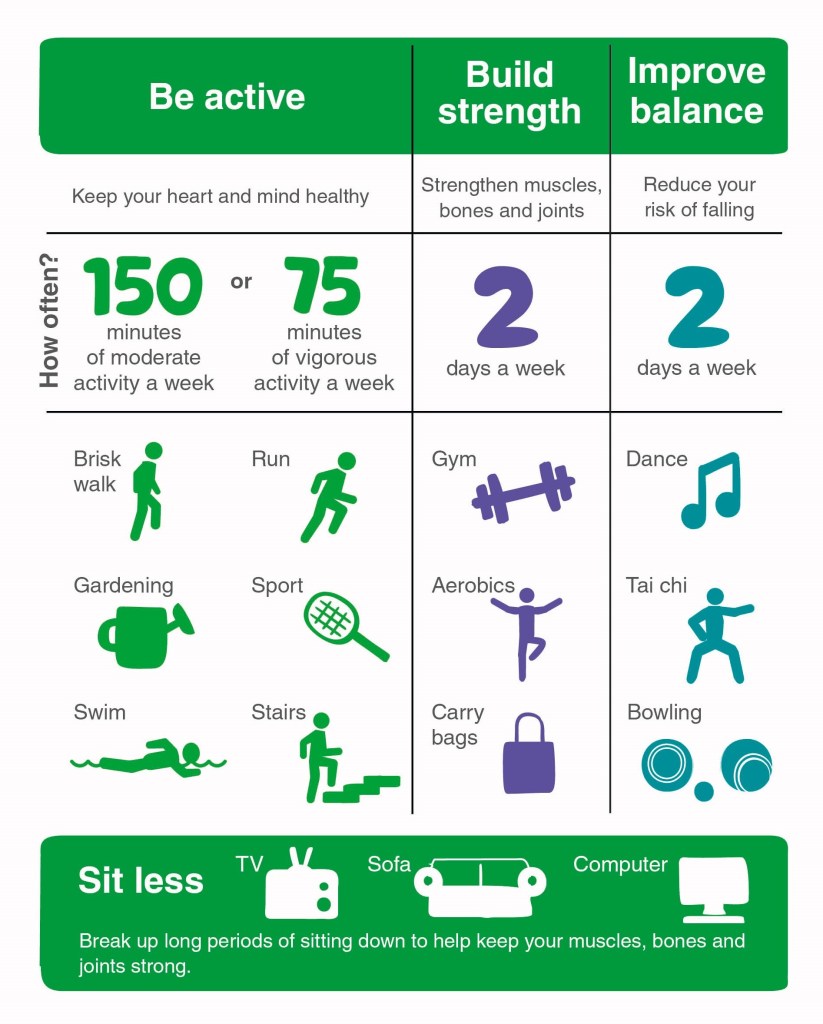
To stay fit and healthy, it's recommended you get at least 150 minutes of moderate physical activity per week. That’s an average of between 20 to 30 minutes a day.

Research shows that three aerobic and two strength sessions per week is proven to reduce fatigue.

Aerobic only

3 times per week
30 min per session
Moderate intensity (where you can talk, but can’t sing)
>12 weeks

Resistance only

2 times per week
2 sets of 12-15 repetitions for each major muscle group
Moderate intensity (Four repetitions left)
>12 weeks

Aerobic + Resistance

You can combine aerobic and resistance sessions. There are additional benefits for:
• Sessions lasting 30+ minutes
• Programs lasting 12+ weeks

Macmillan's physical activity guide
If you have any worries or concerns about exercising, speak with your hospital team for support and guidance.

When is it safe to exercise?

There are situations where it is best to seek additional guidance about exercising.

Speak with your GP and treatment team if you have

Heart or lung disease
Diabetes
Unsteadiness on feet
Worsening physical condition
Extreme fatigue
Bone metastases

Seek a referral with a physiotherapist if you have

Peripheral neuropathy
Arthritis
Osteoporosis/osteopenia (poor bone health)
Lymphoedema
Frozen shoulder
Cording

Other things to consider...

Click the headings to learn more.

You should be given rehabilitation exercises to do. Try to do these as often and for as long as you are advised to.

Speak with your surgeon about activities you should avoid and for how long.

Gradually build up to your normal activities.

Wear loose fitting clothing to prevent rubbing against sensitive skin.

You may be advised to avoid swimming due to skin irritation – check with your treatment team.

If you do swim, make sure to rinse thoroughly afterwards.

Avoid exercises that cause pain to affected areas.

Avoid swimming due to risk of infections.

Activity is fine, but be careful not to put pressure on it or dislodge it.

Avoid vigorous upper body exercises that could displace it.

Wait 48 hours after having PICC line inserted.

Avoid high-impact exercises (running, jumping).

Try low-impact, weight bearing exercises (walking, dancing, climbing stairs, squats).

Choose exercises that avoid pain in the affected area.

Speak to your treatment team.

Exercise in a cool environment and wear loose clothing.

Consider exercising earlier in the day to avoid interference with sleep. Focus on relaxing exercises in the evening.

Try low-impact, weight bearing exercises, such as walking, dancing, climbing stairs or squats.

Prioritise strength exercise to increase muscle mass and strengthen bones.

Consider “movement snacking” with short amounts of activity through the day, such as 5 minutes at a time.

How to exercise


Local charities and support groups often have movement classes that are free to access.