
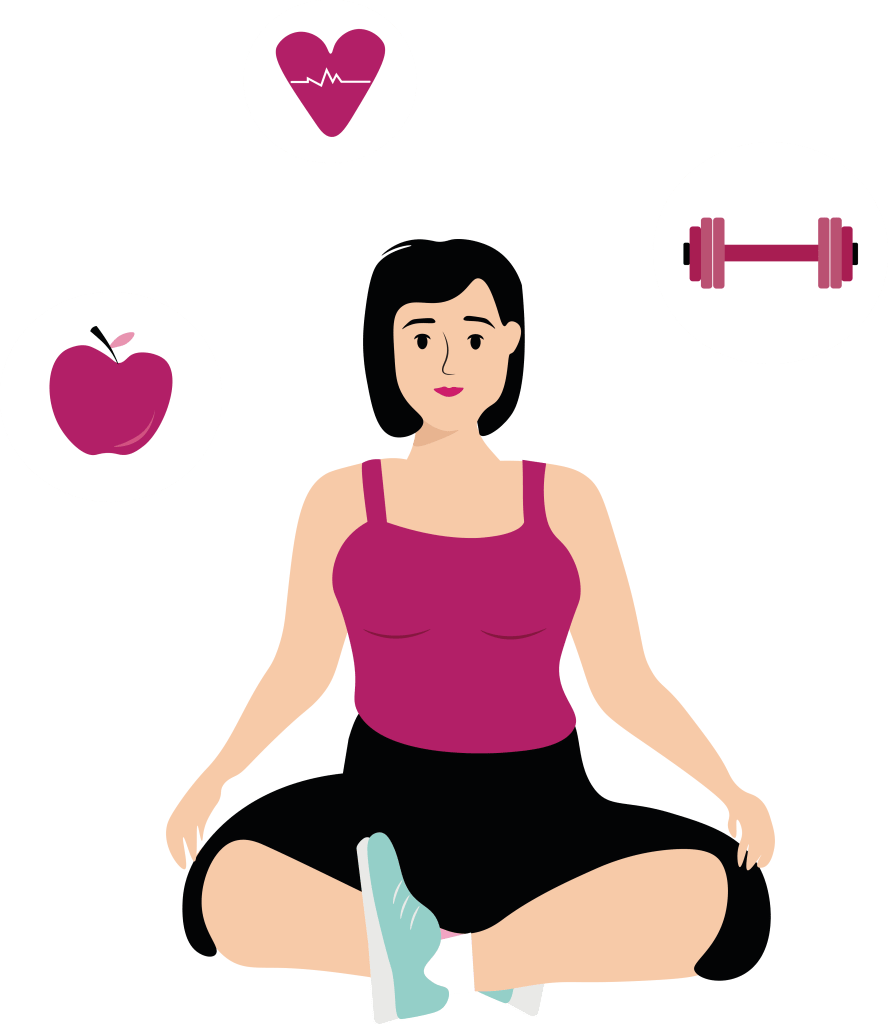
Healthy lifestyle choices reduce the effects of menopausal symptoms and help to improve overall quality of life.
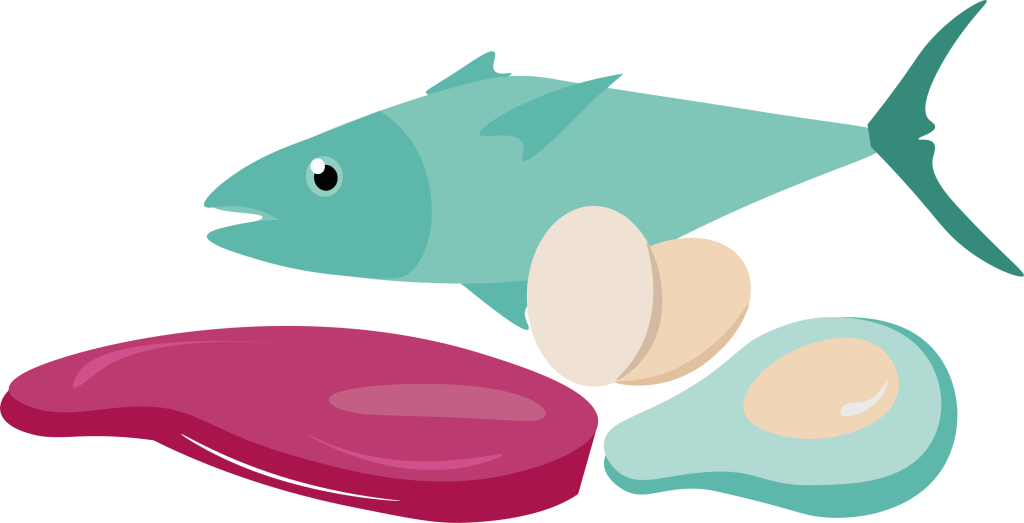
A good diet is vital for a healthy lifestyle and can play a key role in limiting the effects of menopausal symptoms. The Eatwell Guide provides advice on how to create a healthier, more nutritious and balanced diet.
portions of fruit and vegetables
portions of starchy carbohydrates
portions of protein
cups/glasses of fluid
Avoid consuming excessive amounts of fat and sugar.
Reduce alcohol to recommended limits or lower.
Avoid eating excessive amounts of carbohydrates.
Limit processed foods, sugary drinks and snacks.
The Chief Medical Officer (CMO) recommends that all adults take part in regular physical activity throughout the week. Some movement is better than none. More is generally better than some.
The CMO recommends adults aim for at least 150 minutes of moderate-intensity activity, 75 minutes of vigorous-intensity activity, or a combination of both, weekly.
Adults are recommended to engage in muscle-strengthening activities that involve all major muscle groups at moderate or greater intensity on two or more days per week.
Adults 65+ should perform varied multicomponent physical activities focused on functional balance and strength, done at a moderate or greater intensity twice weekly.
Decreased oestrogen levels can significantly impact bone health, particularly in the first few years after menopause.
Common symptoms include bone density loss and increased risk of osteoporosis, a condition characterised by weakened bones and an increased risk of fractures.
These symptoms are best managed with a proactive approach to bone health that includes regular exercise, a nutritious diet, and lifestyle modifications.
Generally, post-menopausal women are encouraged to increase their vitamin D and calcium intake to help strengthen bones and protect bone health.
It is important to have regular checkups and discussions with healthcare professionals, including bone density (DEXA) scans.
This is particularly important for people who have had an early menopause due to their cancer treatments, as we know that patients who experience the menopause before the age of 45 are more likely to develop osteoporosis.

✔ If possible, share your concerns and worries with family/friends.
✔ Set aside specific ‘worry time’ to focus on any concerns.
✔ Keep a worry list or diary.
✔ Ask for help when you need it.
✔ Seek support from mental health professionals.
✔ Access support groups/services to meet others facing similar issues.
✔ Move your body. A little exercise can have big benefits.
✔ Try breathing exercises or relaxation techniques.
✔ Get out in fresh air and sunlight.
Drinking too much alcohol can make menopausal symptoms worse and increase the risk for serious health conditions. Alcohol is known to worsen anxiety, prevent sleep, and increase hunger hormones.
The UK government recommends drinking no more than 14 units of alcohol per week. They advise breast cancer patients limit intake to five units per week.
The NHS recommends spreading units over three or more days, leaving drink-free days.
Members of the LGBTQ+ community may benefit from the resources and information available on the Queer Menopause website.
Specialists in learning resources, inspiring positive transformation in education, health and wellness.
© 2026 Transformational Learning. All rights reserved