Menopause, Cancer & Me

Symptoms

Each person’s experience with the menopause is unique. Individuals go through menopausal symptoms to greater or lesser degrees.

On this page, we look at...

1. Common symptoms

2. Genitourinary syndrome of menopause

3. Managing symptoms

1. Common symptoms

There are a range of symptoms that are commonly associated with the menopause.

Click on the tabs below to learn more.

Changes in thinking, memory and concentration can occur around the time of menopause. This includes confusion, forgetting words, misplacing items and trouble concentrating.

Studies highlight changes in women’s brains during menopause that account for these symptoms. Brain fog is common in midlife and improves with time, but it can also have significant impact on a person’s ability to function and their overall quality of life.

These are caused by lowering levels of oestrogen affecting the brain’s ability to regulate temperature.

Very small changes in temperature, such as getting a little hot, may set off a reactionary change of sweating and flushing to cool the body. This is often experienced as a sensation of heat, particularly in the upper body, chest and face. Afterwards, people may feel very cold as the body cools.

Unfortunately, some people experience this several times a day, which can trigger feelings of anxiety, stress or embarrassment. They may also experience night sweats, which can be very uncomfortable, disturb sleep, and add to other symptoms.

Menopause causes changes in hormone that can impact mental, emotional and physical health.

Common symptoms include persistent worrying and overthinking. People can often experience changes in mood, view themselves differently, and they might even have panic attacks.

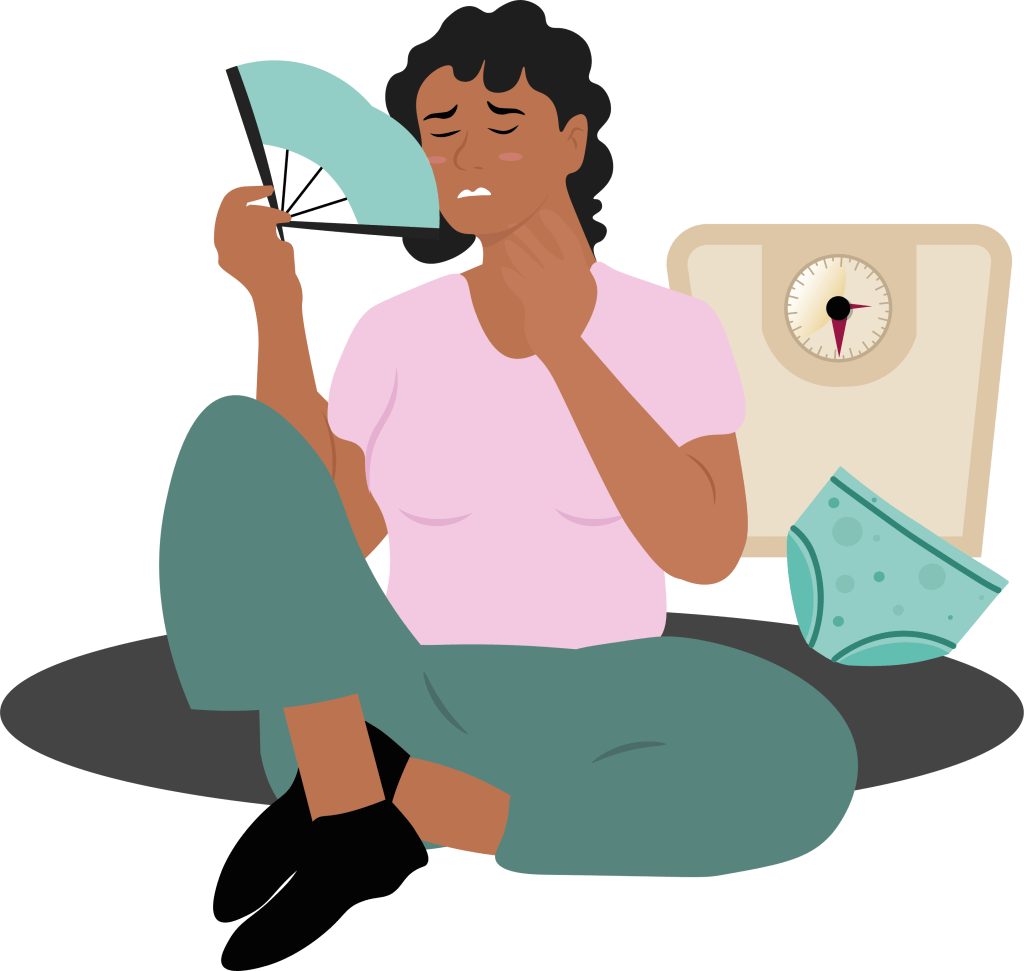
Aches and pains in joints and muscles are common symptoms.

These can also be caused by cancer treatments and ageing. As women age, they lose muscle, which can decrease strength, contribute to joint pains, and increase likelihood of injury.

Many factors affect menopausal weight gain. When the body senses declining levels of oestrogen, it tries to store fat, which then makes a weak form of oestrogen to top up its levels. Muscle mass declines, which lowers a person’s metabolic rate and makes insulin resistance more likely.

Being overweight increases the effects of symptoms such as hot flushes and joint pains.

2. Genitourinary syndrome of menopause

This term describes the changes to the bladder, urinary system, vulva, vagina and sexual function caused by the lack of oestrogen in the menopause.

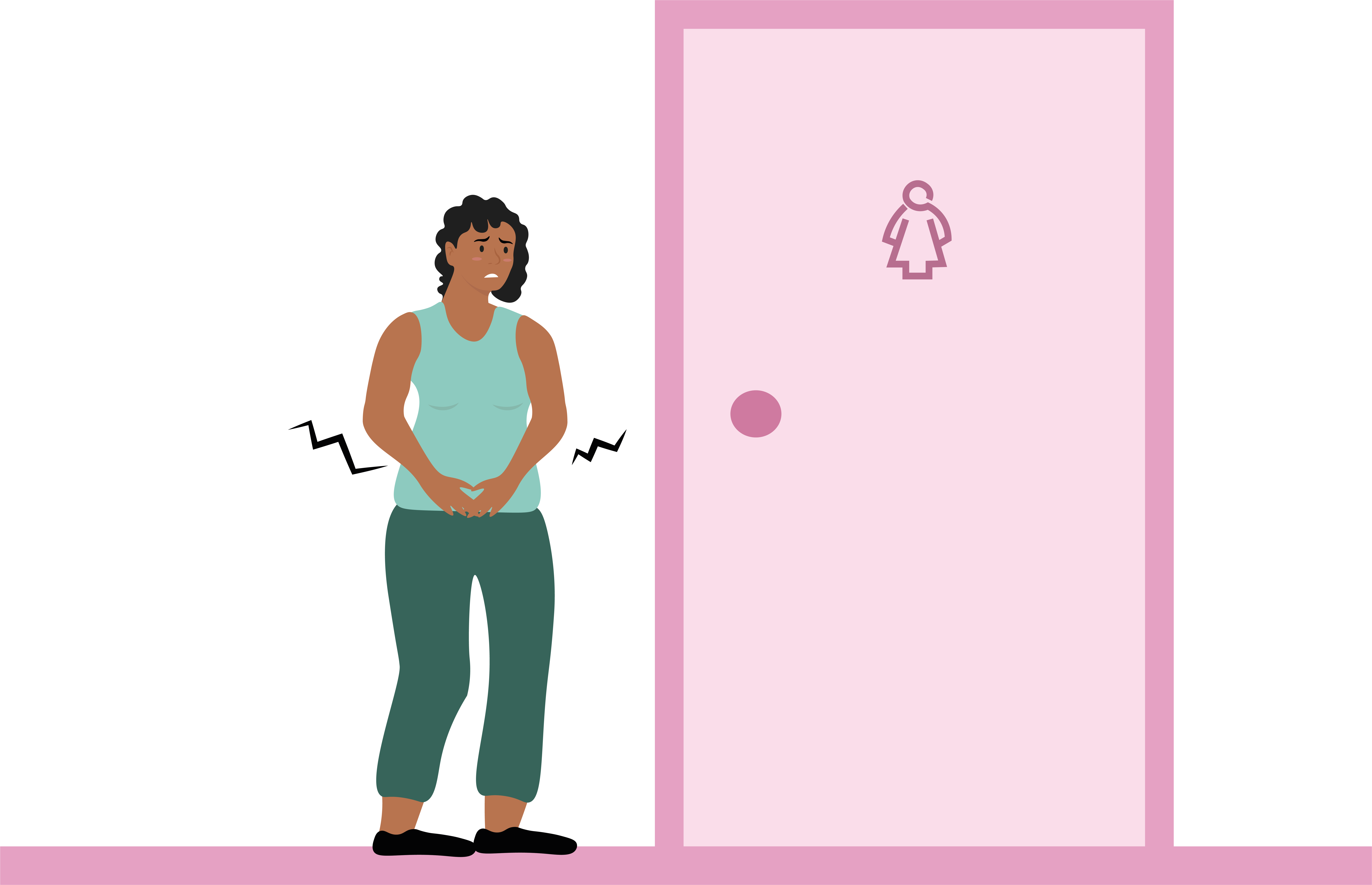
Passing urine frequently

The urinary tract and bladder are rich in oestrogen receptors. The bladder can become increasingly irritable without oestrogen, causing the need to pass urine more often.

The muscles of the pelvic floor support the bladder and urinary system, but these muscles weaken during menopause, where we can see more prolapses as people grow older.

Urinary tract infections may also become more frequent in menopause due to lowered levels of oestrogen disrupting the delicate vaginal microbiome.

Vaginal dryness

As oestrogen lowers, the tissues of the vulva and vagina can become thinner, more fragile, and prone to dryness.

Women also produce less secretions, leading to less discharge and lubrication. This can present as pain, discomfort, itching, burning, dryness and painful sex.

Sexual wellbeing & intimacy

When going through menopause, sex may be impacted by declining hormone levels, including oestrogen and testosterone, which make it more difficult to become aroused or interested in sex.

Many cancer treatments cause significant changes to the body that may impact a person’s physical ability to have penetrative sex. The walls of the vagina are less elastic, and the vagina itself shortens.

It’s worth noting that anxiety, low mood, low self-esteem and relationship health also affect libido.

3. Managing symptoms

There are always things that can be done to reduce the impact that menopausal symptoms have on quality of life. Many of these can be managed or improved with healthy lifestyle changes.

When managing menopausal symptoms, there is also a range of treatments and therapies that can help reduce their effects.

Would you like to learn more about managing symptoms?